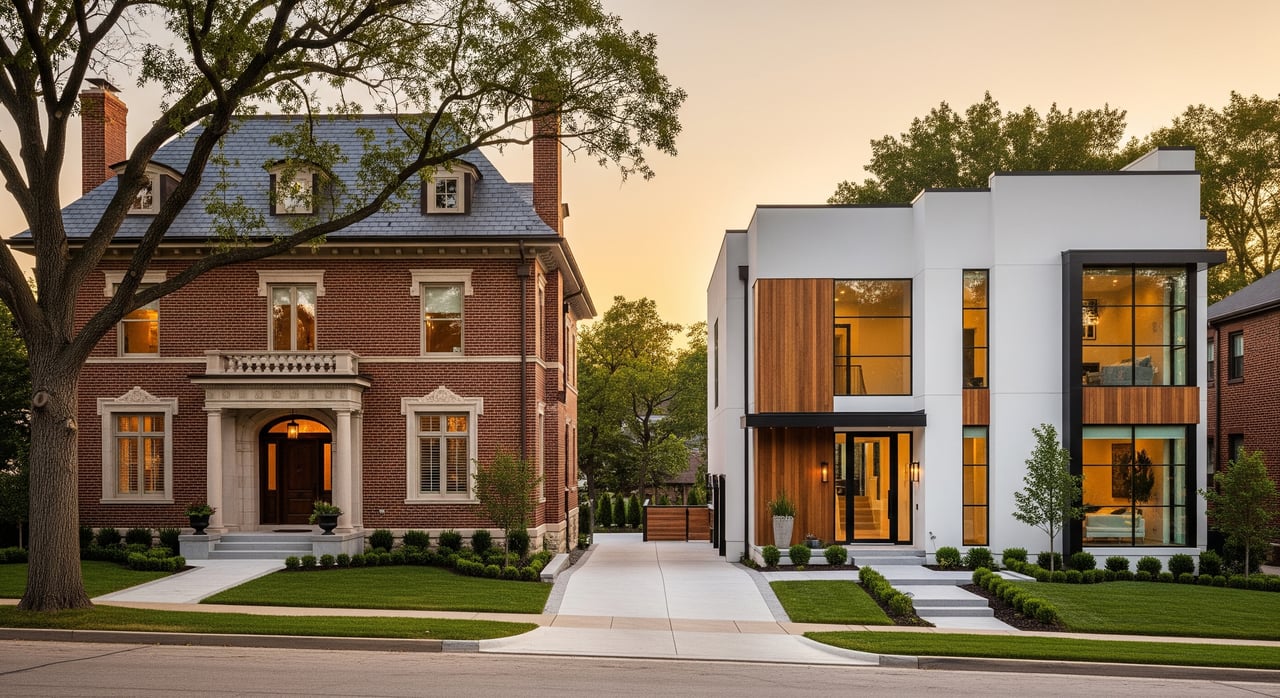
Trying to decide between a brand-new build and a charming resale in Kansas City? You are not alone. Buyers across Jackson County weigh shiny finishes and builder warranties against mature trees, walkable streets, and established neighborhoods. In this guide, you will learn how costs, timelines, inspections, and neighborhood factors compare in KCMO so you can move forward with confidence. Let’s dive in.
Cost and pricing overview
Understanding the full cost picture helps you compare apples to apples. Price is more than the sticker on a listing or a builder’s base price. It includes lot premiums, upgrades, inspections, and long-term ownership costs.
New construction costs
- Base price plus lot premium. Lots with a better view, cul-de-sac, or larger size typically cost more.
- Upgrades and options. Finished basements, flooring, appliance packages, and lighting can add a substantial percentage to the base price. Budget for change orders.
- Incentives. Builders often offer closing cost help, rate buydowns, or included appliance packages. Availability changes with the market.
- Short-term costs. Lower immediate maintenance and newer systems can reduce early repair expenses.
Resale costs
- Location and condition drive price. In-town areas like Brookside and Waldo often command higher price per square foot due to proximity and walkability.
- Hidden cost potential. Older mechanicals and dated systems can require near-term investment.
- Immediate improvements. Paint, flooring, and small repairs may be needed to fit your taste or address inspection items.
Warranties and legal protections
New builds come with formal warranties, while resale homes rely on inspections and disclosures. Know what is covered and for how long.
- Builder warranty structure. Many builders follow a 1-2-10 model: 1 year for workmanship and materials, 2 years for major systems like HVAC, plumbing, and electrical, and 10 years for structural coverage, often via a third-party provider. Confirm exact terms and exclusions in the contract.
- Municipal inspections. New homes are inspected at key stages for code compliance. These are not a substitute for your own inspector.
- Resale protections. Resales typically do not include builder warranties unless transferable. Your protection comes from the inspection contingency, seller disclosures, and optional home warranty plans. Read coverage limits closely.
- Special districts and taxes. Some new subdivisions use development financing or special assessments. Ask how these may impact your annual tax bill.
Timelines and financing
Your move date and loan type can make one path more practical than the other.
New construction timelines
- Quick-move-in vs. build-to-order. Spec homes can close sooner. Build-to-order often takes roughly 4 to 9 months, depending on weather, permitting, and builder backlog.
- Delays are possible. Supply chains, inspection scheduling, and changes can extend the timeline. Build in a buffer.
- Closing timing. Some buyers close at final completion, while others may close with a punch list to be finished per contract.
Resale timelines
- Contract to close. Many resale transactions close in about 30 to 45 days, depending on financing and scheduling.
- Faster possession. Motivated sellers or vacant homes can sometimes close sooner.
Financing differences
- New construction loans. You may see construction-to-permanent options or incentives with a builder’s preferred lender. Ask about rate locks and conversion terms.
- Resale loans. Conventional, FHA, VA, or other standard products are common with typical appraisal requirements.
Inspections and negotiation leverage
Plan for inspections in both scenarios. Your leverage and strategy will differ.
New construction inspections
- Independent inspections. Schedule at key stages such as pre-drywall and final walkthrough. Municipal inspections do not replace a private inspector.
- Punch list process. Document items at the final walkthrough. The builder agrees to remedy per contract before or after closing.
- Negotiation style. Builders often prefer incentives over large price cuts. Focus on upgrades, closing cost help, or warranty terms.
Resale inspections
- Standard and specialty inspections. Generalist inspection plus roof, sewer scope, radon, termite, or lead-based paint checks as needed.
- Leverage after inspection. You can negotiate repairs, price reductions, or seller credits based on material findings.
- Older home considerations. In KCMO, older homes can show aging mechanicals or settling. A thorough inspection helps you plan next steps and costs.
Neighborhood tradeoffs in KCMO
The best fit depends on your priorities for space, commute, and community feel.
Brookside and Waldo highlights
- What you get. Walkability, mature tree canopy, character homes, and close-in access to dining and entertainment. Shorter commutes to many in-town jobs.
- What to plan for. Smaller lots, limited new inventory, and potentially higher price per square foot. Some homes may need updates or system upgrades.
Suburban new subdivisions
- What you get. Larger lots, modern floorplans, new systems, and HOA-managed amenities. Lower immediate maintenance needs are common.
- What to plan for. Longer commutes for some, fewer mature trees, possible ongoing construction nearby, and HOA fees or special assessments.
Schools, services, and taxes
- School boundaries vary by address. Verify the assigned district before you make an offer.
- Property taxes and assessments. Check parcel-specific information with county and local authorities. Newer developments may be subject to special assessments.
Energy efficiency and maintenance
- New builds. Modern insulation, efficient HVAC, LED lighting, and newer appliances can improve comfort and operating costs. Ask for a HERS score or efficiency details.
- Resale homes. Performance depends on age and upgrades. Weatherization, HVAC replacement, or window improvements can boost efficiency. Plan for maintenance and capital costs like roofs or systems.
Decision checklist for KC buyers
Use this list to align your choice with your needs and budget.
- Rank your priorities: commute time, school district, lot size, walkability, architectural style, maintenance tolerance, and timeline flexibility.
- Budget audit: purchase price, upgrades, closing costs, expected tax changes, HOA fees, and a maintenance reserve.
- Financing path: conventional vs. construction loan. Ask about rate locks if building.
- Timeline: need to move quickly or flexible for a build schedule?
- Long-term plans: expected stay of 5 to 10 years or more. Consider how location and neighborhood amenities drive value.
What to request before you tour or offer
For new construction
- Sample purchase agreement and addenda.
- Full builder warranty document and claim process.
- Standard specifications list and what counts as an upgrade.
- Inspection schedule and expected certificate of occupancy timing.
- HOA CC&Rs and fee schedule.
- Plot plan showing setbacks, drainage easements, and lot orientation.
- Builder references and examples of completed homes.
- Change-order costs, preferred lender options, and estimated closing date.
For resale
- Seller disclosures and recent utility bills.
- Permit history for renovations and any HOA documents.
- Comparable sales and days on market.
- Prior inspection or maintenance records, if available.
What to look for on tours
New construction
- Lot drainage, sun exposure, and proximity to future development.
- Fit and finish quality: cabinet alignment, paint, caulking, and trim.
- Attic and garage insulation visibility, HVAC location, and energy features.
- Garage size, storage solutions, and basement waterproofing measures.
Resale
- Signs of moisture: staining, odors, or grading that slopes toward the foundation.
- Age and condition of roof, HVAC, water heater, plumbing, and electrical panel.
- Window condition and any indicators of older materials that may require attention.
- Neighborhood context: traffic patterns, noise, and general upkeep.
Negotiation and closing tips
- Use inspections to address material issues rather than cosmetics.
- For new builds, emphasize upgrades, inclusions, and warranty terms in negotiations.
- Verify appraisal assumptions, especially when comparing new and older homes.
- Confirm remedies or penalties in the builder contract if delivery is delayed.
Choosing between new construction and resale in Kansas City comes down to how you balance timeline, maintenance, character, and commute. If you want modern systems with fewer near-term repairs, a new build in a planned subdivision can be a strong fit. If you value walkability, mature trees, and established community identity, a resale in neighborhoods like Brookside or Waldo may feel right.
Ready to compare real options side by side and tour with a plan? Reach out to the local team that has helped families navigate both paths across the KC metro for decades. Connect with Residential Consultants, Inc. for a friendly, no-pressure consultation.
FAQs
Can you negotiate price with a Kansas City builder?
- Yes, but large price reductions are less common. Builders more often offer incentives such as upgrades, closing cost help, or rate buydowns, and your leverage can improve at slower times in the sales cycle.
Should you hire a private inspector for a new build in KCMO?
- Yes. Schedule independent inspections at pre-drywall and final stages. Municipal inspections focus on code and do not replace a buyer’s inspector.
How do builder warranties work for new construction in Jackson County?
- Many follow a 1-2-10 pattern: 1 year for workmanship, 2 years for major systems, and up to 10 years for structural. Confirm exact coverage, exclusions, and transferability in the contract.
Which appreciates better in Kansas City, new construction or resale?
- It depends on location and demand. Established in-town neighborhoods with limited inventory can show steady appreciation. New builds can perform well in growing suburbs. Long-term value is driven by location and amenities.
What hidden costs should you plan for with new builds in KCMO?
- Lot premiums, landscaping, window coverings, fencing, utility hookups, HOA initiation fees, and property tax changes after reassessment. Ask your builder to outline all nonstandard costs.
How long does it take to close on a resale home in Kansas City?
- Many resale transactions close in about 30 to 45 days, depending on financing, inspection timing, and appraisal scheduling.
Are older homes in Brookside or Waldo at higher risk for foundation issues?
- Older homes can show settling or drainage-related concerns. A qualified inspector can flag issues, and a structural engineer can assess more serious conditions.