Wondering what daily life in Kansas City really feels like? You might have heard about the barbecue, the sports, and the friendly Midwest vibe, but you want a clear picture before you plan a move. You’ll find a city with distinct neighborhoods, a practical commute, and a culture that runs on music, parks, and community events. In this guide, you’ll learn how different areas live day to day, how people get around, and what to expect for schools, weather, and costs so you can decide if KC fits your lifestyle. Let’s dive in.
Kansas City at a glance
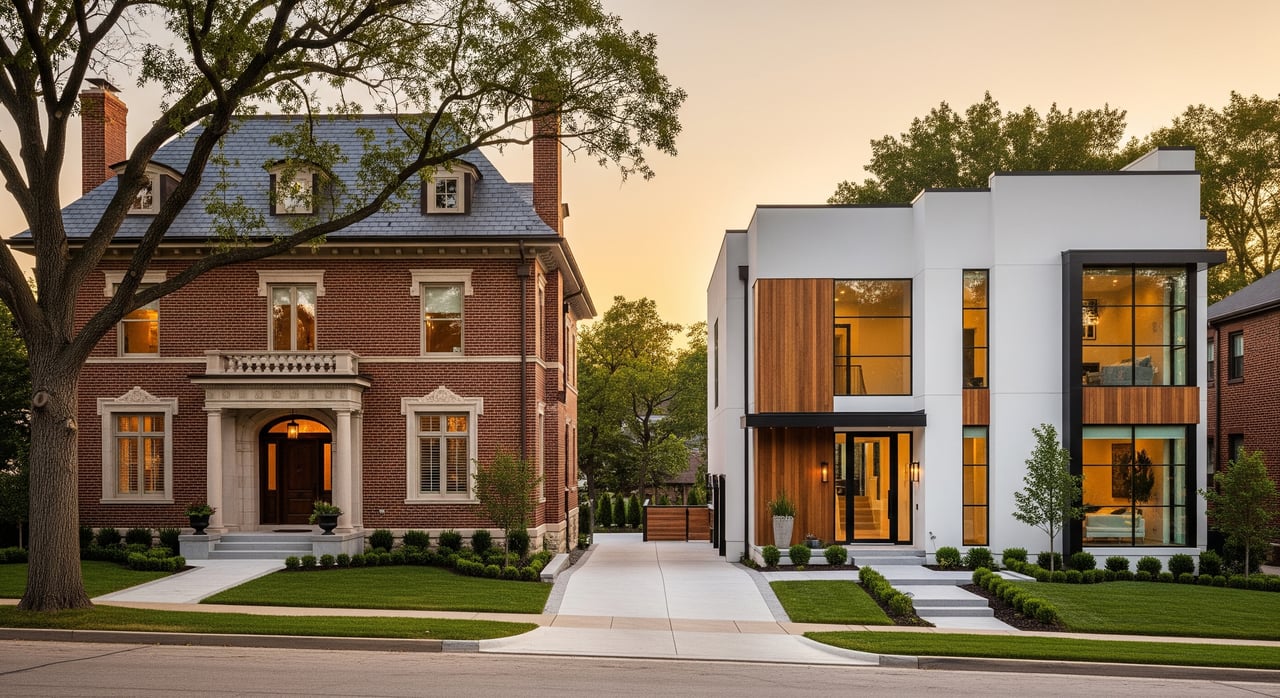
Kansas City, Missouri is the urban heart of a larger bi-state metro. The city sits mainly in Jackson County, with suburbs spreading into surrounding counties and into Kansas. You get a mix of downtown energy, older in-town neighborhoods, and nearby suburban cities with classic single-family streets.
Housing and day-to-day costs are generally lower than in many large U.S. metros. Prices vary by neighborhood and have seen competitive demand in recent years, but the overall value proposition is a strong draw for buyers and renters coming from higher-cost markets. If you are price-sensitive, you will find options across a wide spectrum.
The climate is a humid continental pattern. Summers are hot and humid, with mid to upper 80s and 90s common. Winters bring cold snaps with occasional snow and ice. Spring and early summer can bring severe thunderstorms and tornado risk typical of the central U.S., while fall is usually mild.
Neighborhood vibes in the city
Kansas City’s in-town areas each carry a distinct rhythm. Your best fit depends on how you balance walkability, nightlife, home style, and commute needs.
Downtown and Power & Light
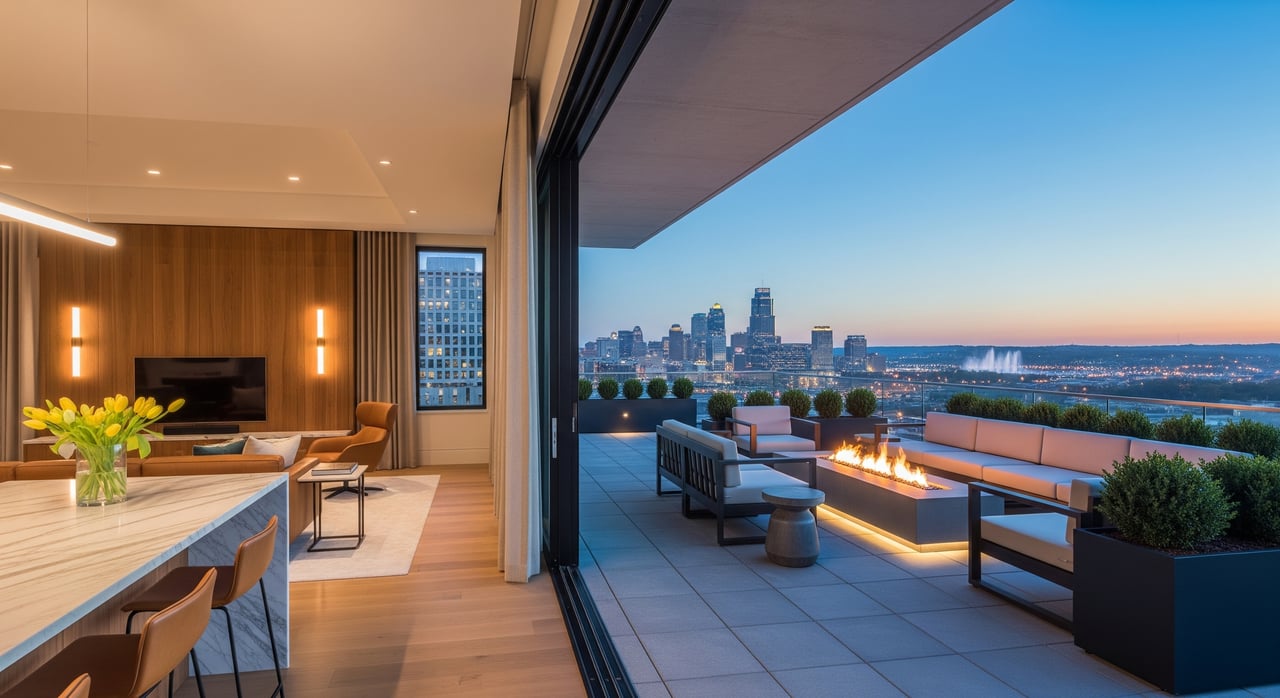
High-rise apartments, event nights at the arena, and after-work energy define this core district. You can walk to restaurants, concerts, and sporting events. It is ideal if you want an urban hub with a short commute to central job centers.
Crossroads Arts District
Converted warehouses, studios, and creative offices give the Crossroads a design-forward feel. Monthly First Friday gatherings draw crowds for galleries and food. Lofts and modern apartments appeal to people who want an arts-focused neighborhood close to downtown.
River Market
Walkable streets and the weekend farmers market set a lively tone near the Missouri River. Loft living and street-level retail make errands simple on foot. The streetcar connects you south to the Crossroads and Crown Center.
Country Club Plaza and Midtown
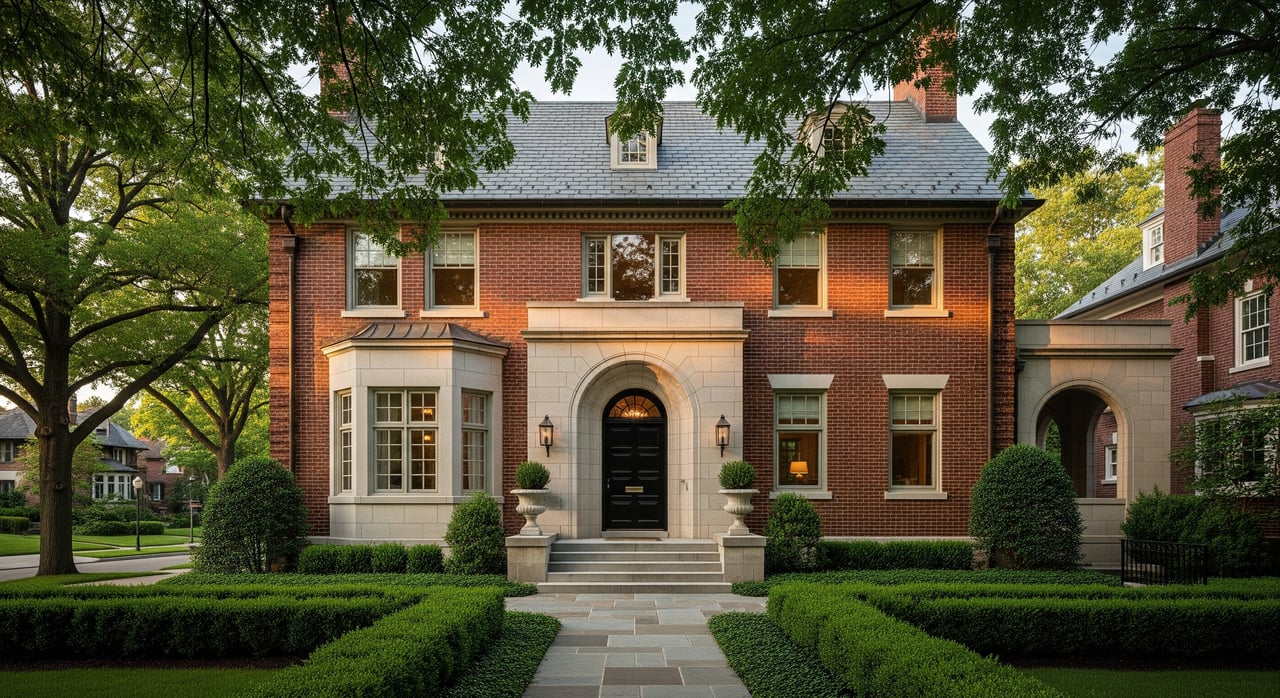
This area combines tree-lined streets, older single-family homes, and an outdoor shopping district. You will find established retail, dining, and a polished urban neighborhood feel. It suits residents who want in-town convenience with a quieter pace on side streets.
Westport and Volker
Bars, restaurants, and historic streets support a busy nightlife scene. Daytime brings coffee shops and casual lunch spots. Expect more activity and evening energy than on many nearby residential blocks.
Brookside, Waldo, and South Plaza
Bungalows and traditional homes line calm streets near neighborhood retail strips. Parks and local shops support an easy daily routine. Many households choose this area for in-town single-family living with quick access to the Plaza and midtown.
North Kansas City
Just across the river, this separate municipality sits minutes from downtown. Breweries, small businesses, and redevelopment have added fresh energy. It works well if you want a compact community near the urban core.
Suburban life in Jackson County
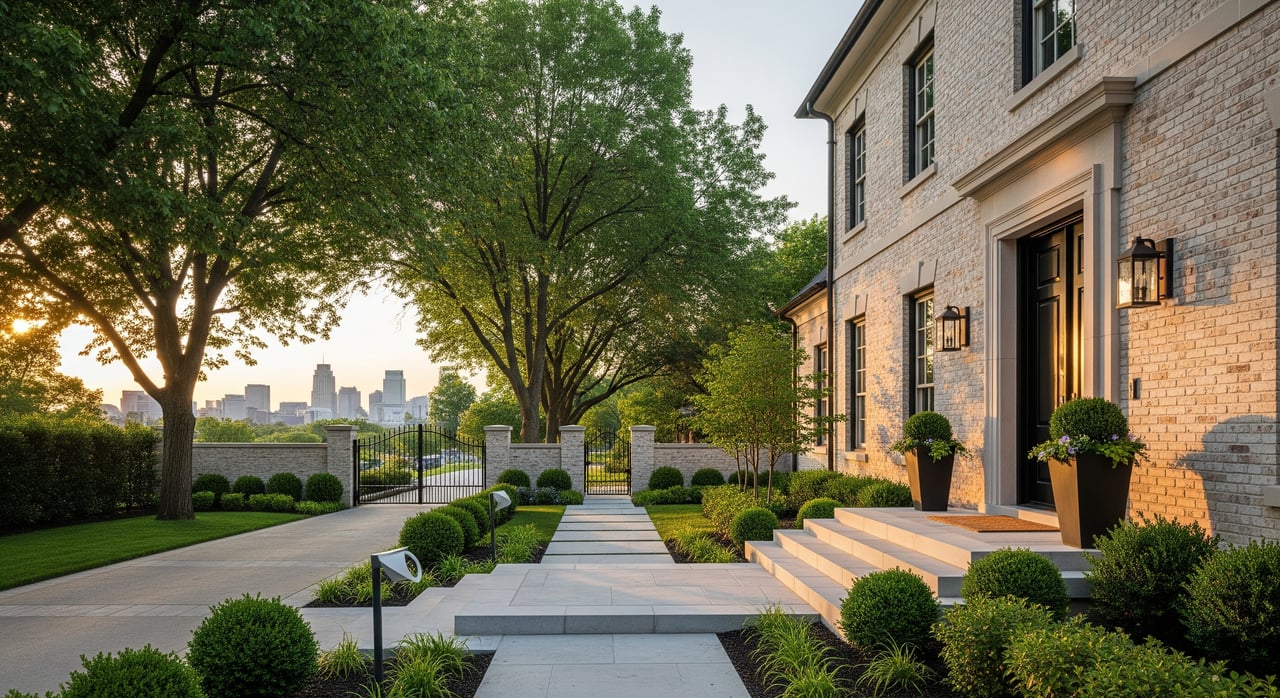
If you favor larger homes, more yard space, and a classic suburban layout, several Jackson County cities may fit your list.
- Lee’s Summit: Master-planned neighborhoods, parks, and a wide selection of suburban amenities. Many households prioritize this area for its established public school system and newer subdivisions.
- Independence: A mix of historic districts and newer residential pockets, plus civic anchors like the Truman Presidential Library. You will find varied housing types and convenient highway access.
- Blue Springs and Raytown: Options often trend more affordable relative to some nearby areas. These communities offer neighborhood parks, local retail, and simple commutes to job centers via major corridors.
When you compare suburbs, weigh commute patterns, school district boundaries, and housing age. Newer construction is more common as you move farther from the urban core, while older homes and mid-century styles are typical closer in.
Getting around and commute
Kansas City is largely car-oriented outside the most central neighborhoods. Commute times are generally near the national average, with the busiest spots around downtown and major interstate junctions. If you plan to drive, test your route at rush hour.
Key highways include I-70 east to west, I-35 north to south, I-435 circling the metro, and I-49 along the south corridor. Event days can influence traffic near the downtown core and the Truman Sports Complex.
RideKC operates bus service, with the best frequency in denser areas and along major corridors. The Kansas City Streetcar links the River Market, Downtown, the Crossroads, Power & Light, and Crown Center, which makes short trips simple in the core. Micromobility options and growing bike lanes support short hops in select neighborhoods.
If you fly often, Kansas City International Airport serves domestic routes with a new single terminal that opened in 2023. The updated facilities have improved the traveler experience and wayfinding.
Parks and outdoor fun
Kansas City’s park network is a major quality-of-life asset. Swope Park, one of the largest city parks at roughly 1,800 acres, includes the Kansas City Zoo, golf courses, picnic areas, and trails. It is a go-to spot for weekend outings and family days.
Closer to midtown, Loose Park offers walking paths, open lawns, and a well-known rose garden. Neighborhood parks across the city provide playgrounds and gathering spaces for daily exercise and meetups.
Jackson County’s lakes expand your options. Longview Lake and Fleming Park, including Lake Jacomo, offer boating, fishing, and trails within a short drive of many in-town districts. Trail connections and riverfront paths continue to improve, though access can vary by corridor.
Dining, arts, and sports
Kansas City is a barbecue destination with its own style, from long-established smokehouses to new favorites. Beyond barbecue, you will find a diverse mix of farm-to-table, international cuisine, microbreweries, and coffee shops spread across Westport, the Crossroads, the Plaza, and Brookside.
Arts and performance are easy to access. The Nelson-Atkins Museum of Art hosts a broad permanent collection and iconic outdoor sculptures. The Kauffman Center for the Performing Arts brings opera, symphony, and touring shows. The Crossroads’ First Fridays and the 18th & Vine Jazz District highlight the city’s creative roots and music heritage.
Sports anchor city pride. The Kansas City Chiefs and the Kansas City Royals play at the Truman Sports Complex, and game days shape the local energy across restaurants and neighborhoods. Annual events like the Plaza Art Fair and the American Royal add to the city’s calendar of community traditions.
Practical things to know
Schools and education vary by district. Kansas City Public Schools serves much of the urban core and continues work on improvement initiatives. Many families consider suburban districts in Jackson County, such as Lee’s Summit and Blue Springs, when they prioritize public school options. Always review official district resources and school-level data to align with your needs.
Healthcare access is strong, with major hospital systems and specialty centers in and around the city. Children’s Mercy Hospital, located near the Crown Center area, is a nationally recognized pediatric hospital.
Crime levels vary by neighborhood. Some urban areas report higher violent-crime statistics than national averages, while many neighborhoods and suburbs report lower rates. Review neighborhood-level crime data and consult local resources when evaluating specific addresses.
The regional economy is diversified, with health care, education, government, manufacturing, transportation, and growing tech and professional services. Downtown development, life sciences, and technology corridors continue to see investment. Taxes include Missouri state income tax and local sales taxes, while property tax rates differ by county, city, and school district.
How to choose your area
Start with your daily priorities, then map your search to the right part of town.
- Define your lifestyle. Do you want walkable dining and events, or a quieter street with more space?
- Set a housing plan. Decide on target price, home type, and age of home you are comfortable maintaining.
- Test your commute. Drive your route at rush hour from potential neighborhoods.
- Check school options. Align district boundaries with your preferences by reviewing official district information.
- Visit at different times. Tour areas on weekdays, weekends, and evenings to gauge traffic, parking, and noise.
- Match amenities to habits. Parks, lakes, and trails are spread across the city, so note proximity to spots you will use weekly.
When you are ready to compare neighborhoods side by side, a local advisor can save time and stress. Our team provides relocation guidance across the Kansas City metro, with deep experience in both in-town Kansas City and the surrounding suburbs.
If you want a steady, experience-backed process from first tour to closing, we are here to help. Reach out to Residential Consultants, Inc. to talk through neighborhoods, timing, and a plan that fits your move. Schedule a Free Consultation.
FAQs
Is Kansas City family-friendly for newcomers?
- Many households choose Kansas City for its relative affordability, broad park system, suburban school district options in Jackson County, and active community calendar.
How walkable is Kansas City compared with other metros?
- Walkability is strongest in downtown, the River Market, the Crossroads, and the Plaza, while most residential areas and suburbs are more car-oriented.
Will I need a car to live in Kansas City?
- A car is helpful unless you live and work within the downtown and streetcar corridor; buses serve key routes, and bikes or scooters work for short trips in select areas.
What is the food and music scene like?
- The city is known for distinctive barbecue, a wide dining mix, craft breweries, and a deep jazz heritage reflected in venues and museum programming.
How do property taxes and overall costs compare?
- Overall cost of living and housing are generally lower than many large U.S. metros; property tax rates vary by county, city, and school district, so confirm specifics for each address.